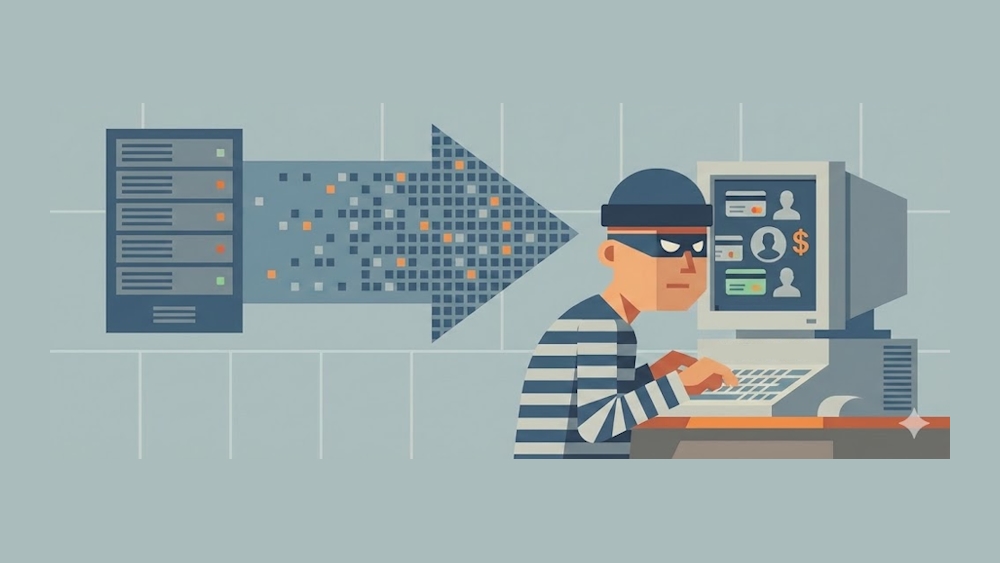

If you think data privacy and security measures are just nice-to-haves, ask the folks at Facebook (hello, $5 billion FTC fine), or Equifax, who let 147 million users’ data slip through their digital fingers and ended up paying over $700 million in settlements.
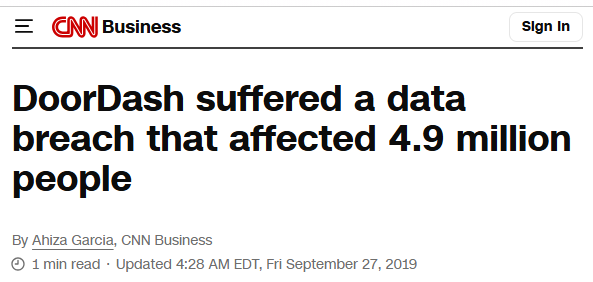
Closer to home in the marketplace world, DoorDash reported a data breach in 2019 affecting 4.9 million customers. Names, emails, delivery addresses, phone numbers, even hashed passwords, were compromised. That’s the stuff of PR nightmares, which could easily end up in a trust apocalypse.
Users are not easily forgiving when their data is compromised. And regulators? Even less so.
Why Marketplace Data Security Is a Big Deal
The explosion of data privacy legislation worldwide has made security non-negotiable. Europe has GDPR. California rolled out the California Consumer Privacy Act (CCPA). Brazil has LGPD. More are coming.
Non-compliance isn’t cheap. GDPR fines alone totalled over €2.9 billion in 2023, and that number is only going up.
Marketplace platforms are especially vulnerable because they store high volumes of user data: buyer profiles, seller info, payment methods, and transaction histories. Building trust with your users that their data is secure is therefore a core function of marketplace development.
As the late Steve Jobs said, “You have to start with the customer experience and work back toward the technology” – and that includes making your users feel safe.
The Shape-Shifting Nature of Security Threats
Cybersecurity threats are like fashion trends; they never stop evolving and sometimes come back worse than before. Today it might be phishing, tomorrow it’s ransomware, and next week it’s some kid with an open-source toolkit poking at your unsecured API.
277 days
The average data breach lifecycle (from breach to containment) according to IBM. That’s a long time to have your pants down in public.
Which brings us to the real takeaway: you can’t treat data security as a one-time checklist. It’s a continuous, adaptive discipline.
Strategies and Tools for Marketplace Data Security
So how do you avoid becoming the next cautionary tale? Here’s our playbook:
Anti-Hacking Measures
- Rate limiting and IP throttling to prevent brute force attacks.
- Multi-factor authentication (MFA) for both admin and user accounts.
- Security headers and input sanitisation to block common vulnerabilities like XSS and SQL injections.
3rd-Party Tools
- Stripe Connect: It handles PCI compliance, tokenises card information, and lets you avoid the nightmare of storing payment details altogether.
- Cloudflare: Provides DDoS protection and acts as a security layer for your DNS and traffic.
- PerimeterX offers various products to detect and manage automated attacks and client-side threats to web or mobile applications and APIs. Their Code Defender is a client-side application security solution that continuously protects your website from digital skimming, formjacking and Magecart attacks, stopping data breaches and reducing your risk of non-compliance.
- Sift uses machine learning models to proactively prevent account takeover, payment fraud, scam content, and chargebacks.
Infrastructure Safeguards
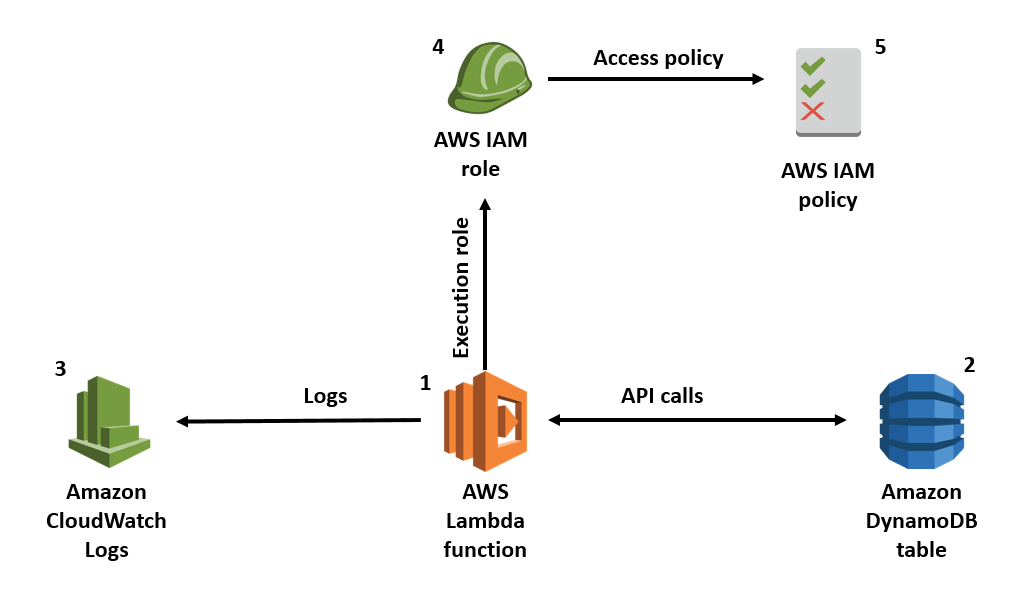
- AWS KMS and API Gateway Encryption: AWS offers built-in encryption services that help secure sensitive data in transit and at rest.
- Identity and Access Management Roles & Policies: Enforce least privilege access principles within your infrastructure.
Security is not only about prevention, but also about damage control. Always have:
- Monitoring and alerting tools (e.g., Datadog, AWS CloudWatch)
- Automated backups and disaster recovery plans
Security Should Match Your Marketplace’s Maturity
Not all marketplaces are born equal. And neither are their security needs.
Early-stage startups should focus on the basics: HTTPS everywhere, strong authentication, and secure third-party services. Also, don’t build your own payment system. Ever.
At the growth stage it is time to introduce penetration testing, automated vulnerability scans, and detailed access logs. Regular security audits are no longer optional.
Marketplaces that have reached enterprise level, should be looking at fully-fledged security teams, compliance officers, and ongoing red team/blue team simulations.
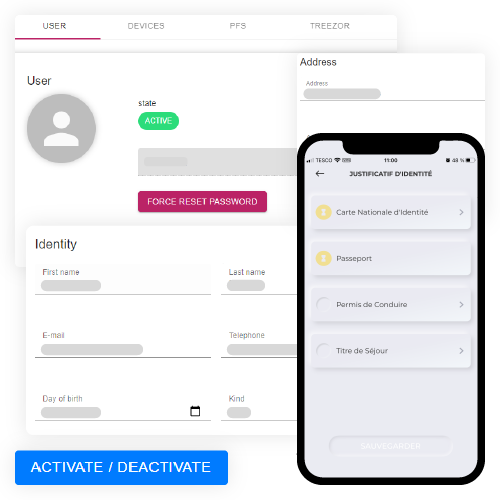
And then there are vertical-specific needs. For example, our client SoShop, a neobank-style fintech marketplace, had to adhere to stringent financial regulations, including transaction monitoring, Know Your Customer (KYC), and encrypted storage for sensitive customer data. A basic security setup wouldn’t have cut it.
Bottom line: your security posture should scale with your business.
AI’s Role in Marketplace Security
AI isn’t just for generating cat images or writing awkward poems. It plays a useful role in modern marketplace security too:
AI Security Best Practices
- Guideline enforcement: Modern frameworks (like OpenAI’s guardrails or AWS’s AI safety features) include default safety checks.
- Anomaly detection: AI models can flag unusual behaviour patterns in login attempts or transaction flows before humans even notice.
Secure API Development
Use AI tools like GitHub Copilot to auto-suggest secure code (e.g. using hashed tokens, avoiding hard-coded credentials). AI can automatically generate and test tokens, reducing manual errors in session handling.
⚠️
And as always, remember to combine AI insights with human oversight. Think of AI as your watchful bouncer; it won’t know why someone looks shady, but it will tell you when something seems off.
Trust Is the New Currency
Your users are trusting you with their most sensitive data. In the marketplace space, that trust is your brand. When users hear your name, they shouldn’t think, “That’s the site that leaked my email and home address.” They should think, “I feel safe transacting here.”
At CobbleWeb, we blend years of marketplace expertise with proven data protection practices. We treat user privacy not just as a legal box to tick, but as a core design principle.
After all, the best kind of data breach is the one that never happens.